15 Best Blogs to Follow About A1 Garage Doors Gold Coast garage door repairs helensvale
How to Install and Repair Garage Door Openers in 2025: A Complete Guide
Garage door openers provide the convenience and security needed for your home’s garage. Whether you are installing a new opener or repairing an existing one, understanding the necessary tools, components, safety measures, and troubleshooting techniques is vital. This comprehensive guide will lead you through each stage of installation and repair, empowering you with clear instructions and expert advice to keep your garage door functioning smoothly and safely.
What Tools and Parts Do I Need to Install a Garage Door Opener?
Before beginning your garage door opener installation, it’s essential to have the correct tools and parts on hand to ensure a smooth process. Common tools required include a cordless drill for screwing and drilling, an adjustable wrench for securing mounting brackets and bolts, a set of screwdrivers for various fasteners, pliers for cable manipulation, and a sturdy ladder to safely reach ceiling mounts.
Key parts involved in the installation encompass the opener motor which powers the door, the rail system that guides the trolley, and mounting brackets to securely attach the opener to the ceiling or header wall. The trolley connects the door to the drive mechanism, whether it be a drive belt, chain drive, or sometimes a screw drive, each offering different noise levels and durability advantages.
Additional components often include a remote control for wireless door operation, a wall control panel for manual activation, a keypad entry system for secure access without a remote, and wiring harnesses to connect the electric circuit effectively. For uninterrupted performance during power outages, a voltage regulator or battery backup system is highly recommended.
How Do I Properly Install a Garage Door Opener Step-by-Step?
Installing a garage door opener requires precision and attention to detail to guarantee safe and reliable operation. Begin by inspecting your garage door panels, hinges, and track alignment to confirm they are in good condition and properly balanced. An unbalanced door increases motor strain and reduces lifespan.
Next, assemble the rail system and attach it to the opener motor assembly. Securely fix the mounting bracket to the ceiling joist or header above the door opening using appropriate anchors. Attach the trolley to the door arm and connect either the belt or chain drive to the motor’s gear assembly, ensuring the pulley system is correctly aligned for smooth movement.
Proceed to wiring the electric circuit, including connecting the limit switches that control the stopping points of the door, the wall control panel button, and running the wiring harness neatly along the ceiling and walls. Install safety sensors—often called photo eyes—on either side of the door, approximately 6 inches above the ground level. These sensors detect obstacles and prevent accidents by triggering the automatic reverse mechanism.
Finally, program the remote controls and keypad entry units as per the installation manual instructions. Test the manual release to ensure you can operate the door manually during power failures, and verify the automatic reversing mechanism activates appropriately when an object interrupts the door’s path.
What Safety Precautions Should I Follow When Installing or Repairing Garage Door Openers?
Safety is paramount when dealing with garage doors because of the high tension springs and heavy moving parts. Always disconnect the power supply before commencing any installation or repair work to avoid electrical shock or accidental door movements.
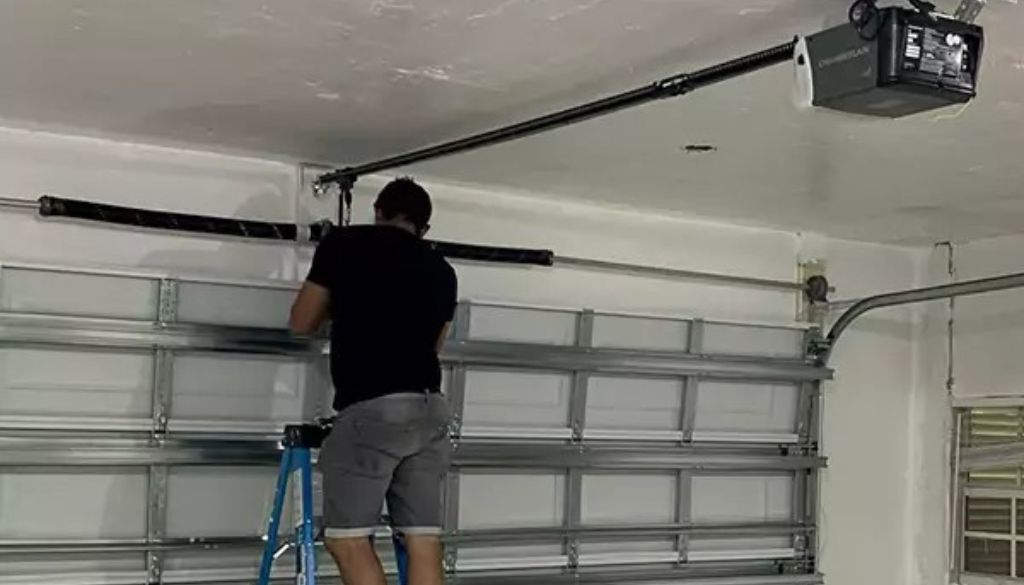
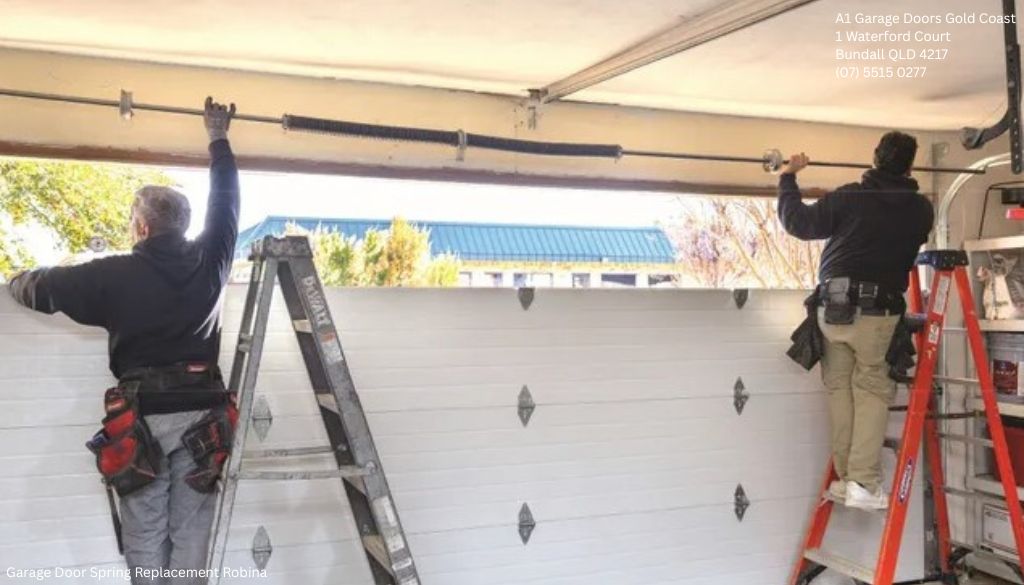
Handle torsion springs and extension springs with extreme caution; these components are under significant tension and can cause serious injury if released improperly. If unsure, it is best to hire a licensed technician for spring repairs.
Install and regularly test the safety sensors or photo eyes, ensuring they are correctly aligned and free of dirt or obstructions. These sensors enable the door to automatically reverse if something crosses its path, preventing crushing injuries.
Test the force adjustment settings so that the door stops or reverses if it encounters resistance. The emergency release mechanism must be accessible and functioning to allow manual operation during power outages. Also, wear protective gloves and eye protection when handling cables, springs, and rollers to prevent cuts or eye injuries.
How Can I Troubleshoot Common Garage Door Opener Problems?
Encountering problems with your garage door opener can be frustrating, but many issues have straightforward solutions. If the door won’t open or close using the remote control, first check the remote battery and ensure you are within range of the wireless receiver. Confirm that the remote is correctly programmed with the proper security code.
If the door reverses immediately after starting to close, inspect the safety sensors for misalignment or dirt, which can interrupt the beam. Additionally, adjusting the force settings may resolve unintentional reversing caused by oversensitive parameters.
In cases where the opener motor runs but the door does not move, examine the drive mechanism components such as the drive belt or chain drive for breaks or slippage. Check the gear assembly for wear or damage, which can inhibit movement.
Electrical issues may originate from faulty wiring harnesses, malfunctioning limit switches, or a defective circuit board. Resetting the wireless receiver and reprogramming remotes following the manufacturer’s guidelines often remedies signal reception problems.
How Do I Repair or Replace Key Garage Door Opener Components?
Some garage door components require specialist skills or tools to repair safely. For example, replacing torsion springs is hazardous due to their high tension and is best left to professionals. Conversely, extension springs and lifting cables can sometimes be replaced by experienced DIYers following safety precautions.
Worn or damaged roller wheels and hinges should be inspected regularly and replaced to ensure smooth, quiet operation. Replacing the drive belt or chain drive involves removing the old part, correctly fitting the new one, and adjusting tension for optimal function.
If the gear assembly or motor housing shows signs of failure, repairs or replacements may restore performance. Circuit boards and wiring harnesses require diagnostic inspection by qualified technicians and should be replaced if damaged to maintain electrical safety and reliability.
How Do I Maintain My Garage Door Opener for Long-Lasting Performance?
Routine maintenance plays a crucial role in extending the life of your garage door opener. Regularly lubricate moving A1 Garage Doors Gold Coast garage door repairs helensvale parts such as roller wheels, hinges, pulleys, and the drive system using manufacturer-recommended lubricants to reduce friction and noise.
Use a comprehensive maintenance kit for scheduled upkeep, which includes cleaning and tightening components. Examine and replace weather seals around the door perimeter to prevent drafts and improve energy efficiency.
Check the door balance periodically by manually lifting the door halfway; it should stay in place without assistance. Proper door insulation and well-maintained rollers and hinges contribute to quieter operation and reduce motor strain.
What Advanced Features Can Be Installed or Upgraded in Garage Door Openers?
Garage door technology continues to evolve, offering improved convenience and safety. Upgrading or adding a keypad entry system powered by a dedicated keypad battery enhances secure access without needing a remote control.
Installing a battery backup ensures your garage door remains functional during power outages, preventing lockouts. Enhanced safety sensors offer improved automatic reverse capabilities, increasing protection against accidents.
Programming advanced security codes for remotes and keypads restricts unwanted access. Additionally, integrating smart home connectivity provides remote monitoring and control through smartphones or voice assistants, elevating your home’s security and convenience.
Frequently Asked Questions (FAQ)
- Can I install a garage door opener myself or should I hire a professional? Many homeowners can install a garage door opener by following detailed instructions and using the correct tools. However, complex tasks such as spring replacement or intricate wiring should be performed by a licensed professional for safety reasons.
- How often should I perform maintenance on my garage door opener? Basic maintenance including lubrication, cleaning safety sensors, and testing the door balance and reversing mechanism should be done every six months to ensure optimal performance and safety.
- What causes a garage door opener to reverse immediately after closing? This typically results from force adjustment settings being too sensitive or safety sensors being blocked, dirty, or misaligned. Cleaning and realigning sensors usually resolve this issue.
- How do I reset my garage door opener remote? Resetting involves accessing the garage door opener’s wireless receiver, clearing previous security codes, and reprogramming the remote according to the manufacturer’s instructions found in the installation manual.
- Are torsion springs dangerous to repair on my own? Yes, due to the high tension and risk involved, it is strongly recommended to leave torsion spring repairs and replacements to licensed technicians to prevent serious injury.
Conclusion:
Installing and repairing garage door openers requires a blend of technical knowledge, proper tools, and strict adherence to safety protocols. By following this guide’s step-by-step instructions, using the right components, and performing routine maintenance, you can ensure your garage door operates reliably and safely for years to come. Remember to seek professional help for high-risk repairs like spring replacements, and embrace modern upgrades to enhance security and convenience. Stay proactive with troubleshooting to minimise downtime and maintain peace of mind in your home’s security system.